Turning a passion for crafting into a legitimate, revenue-generating business is one of the most rewarding journeys you can take. However, making the leap from hobbyist to business owner requires shifting your mindset from making things you love to building a profitable brand.
If you are ready to turn your craft room into a small business, this step-by-step guide will walk you through the essential foundations and show you how to avoid the common pricing traps that stop new makers in their tracks.
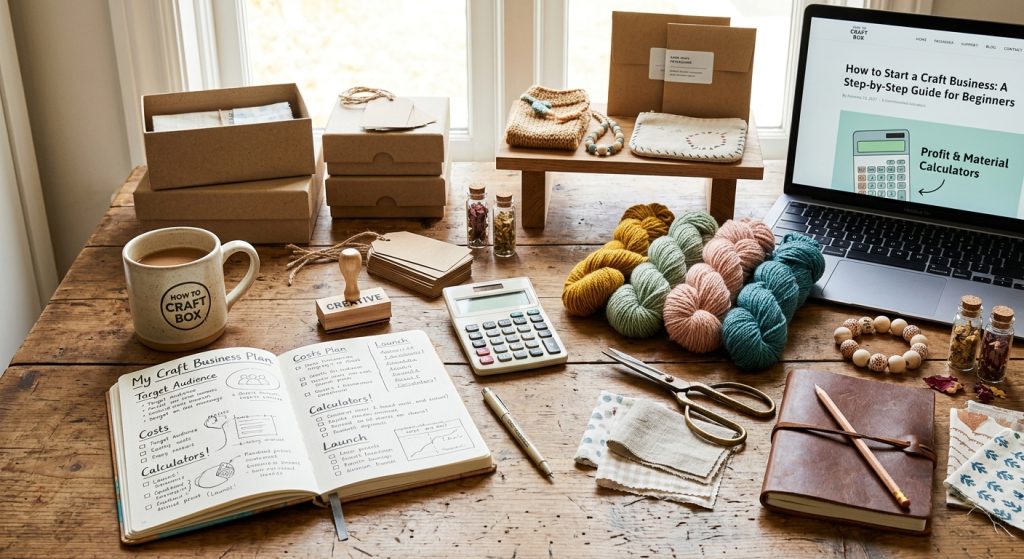
Step 1: Validate Your Niche and Target Audience
Before ordering bulk materials or setting up a shop, you need to confirm that there is an active market for what you make.
- packaging, personalised details, or high-end materials?
- Define your ideal customer: Are you selling affordable gift items for busy parents, or high-end bespoke home décor for interior design enthusiasts?
- Research the market: Browse platforms like Etsy, Pinterest, and Instagram to see what is trending, but look for gaps where you can stand out rather than copying existing sellers.
Step 2: Calculate Your Costs and Price for Profit
The single biggest mistake beginner crafters make is undercharging. Charging only for materials plus a small margin means working for pennies an hour, leading directly to maker burnout.
Your retail price needs to cover four core elements:
💡 Streamline Your Numbers
- Raw Material Costs: Beads, fabric, vinyl, blank vessels, packaging, and labels.
- Labour Time: Paying yourself a fair hourly wage for crafting, packing, and administrative work.
- Overhead and Platform Fees: Etsy listing fees, website hosting, transaction processing, and tool wear-and-tear.
- Profit Margin: The capital leftover to reinvest back into growing your business.
Don’t guess your margins or struggle with complex formulas. Use the [How to Craft Box Pricing Calculators] to quickly plug in your material costs and labour time. They will automatically calculate your exact cost of goods, wholesale pricing, and ideal retail price points so you never lose money on a sale.
Step 3: Handle the Legal and Financial Setup
Setting up proper business foundations early saves major headaches later.
- Choose a Craft Business Name: Pick a name that is memorable, easy to spell, and not already trademarked or used on major social media platforms.
- Register Your Business: Depending on your location, register as a sole trader or limited entity with your local tax authority.
- Open a Dedicated Bank Account: Keep your personal income and craft business funds completely separate from day one to simplify bookkeeping.
Step 4: Establish Your Brand & Sales Channels
Decide where your products will live online and offline.
- Etsy or Handmade Marketplaces: Great for built-in search traffic, though platform fees apply.
- Your Own Website (e.g., WordPress or Shopify): Gives you full control over your customer list, branding, and long-term marketing.
- Craft Fairs and Local Markets: Excellent for testing products face-to-face, getting immediate feedback, and making initial sales.
Step 5: Master Craft Photography and Listings
Online customers buy with their eyes. High-quality visuals are non-negotiable for converting visitors into buyers.
- Use Natural Lighting: Shoot near a large window during daytime to capture true colours without harsh shadows.
- Show Scale and Detail: Include close-ups of textures and lifestyle photos showing the item in use (e.g., a mug being held, or art hanging on a wall).
- Write Detailed Descriptions: Clearly state dimensions, materials, care instructions, and turnaround times to answer buyer questions before they ask.
Step 6: Plan Your Batch Production and Operations
As orders start coming in, efficiency becomes crucial.
- Batch Production: Group similar tasks together (e.g., cutting all vinyl on Monday, assembling on Tuesday, packaging on Wednesday) to save time.
- Track Inventory: Keep a close eye on raw material levels so you don’t run out of stock during busy seasonal rushes.
💡 Track Material & Time Efficiently:
To calculate exact batch yields and track your production costs accurately, pair your workflow with the [How to Craft Box Inventory and Material Calculators] to keep your production runs lean and profitable.
Final Thoughts
Starting a craft business is a journey of continuous learning. Focus on launching with solid pricing, clear photography, and a dedicated product line. Once your core setup is live, you can steadily refine your marketing and watch your creative hobby evolve into a thriving business!